
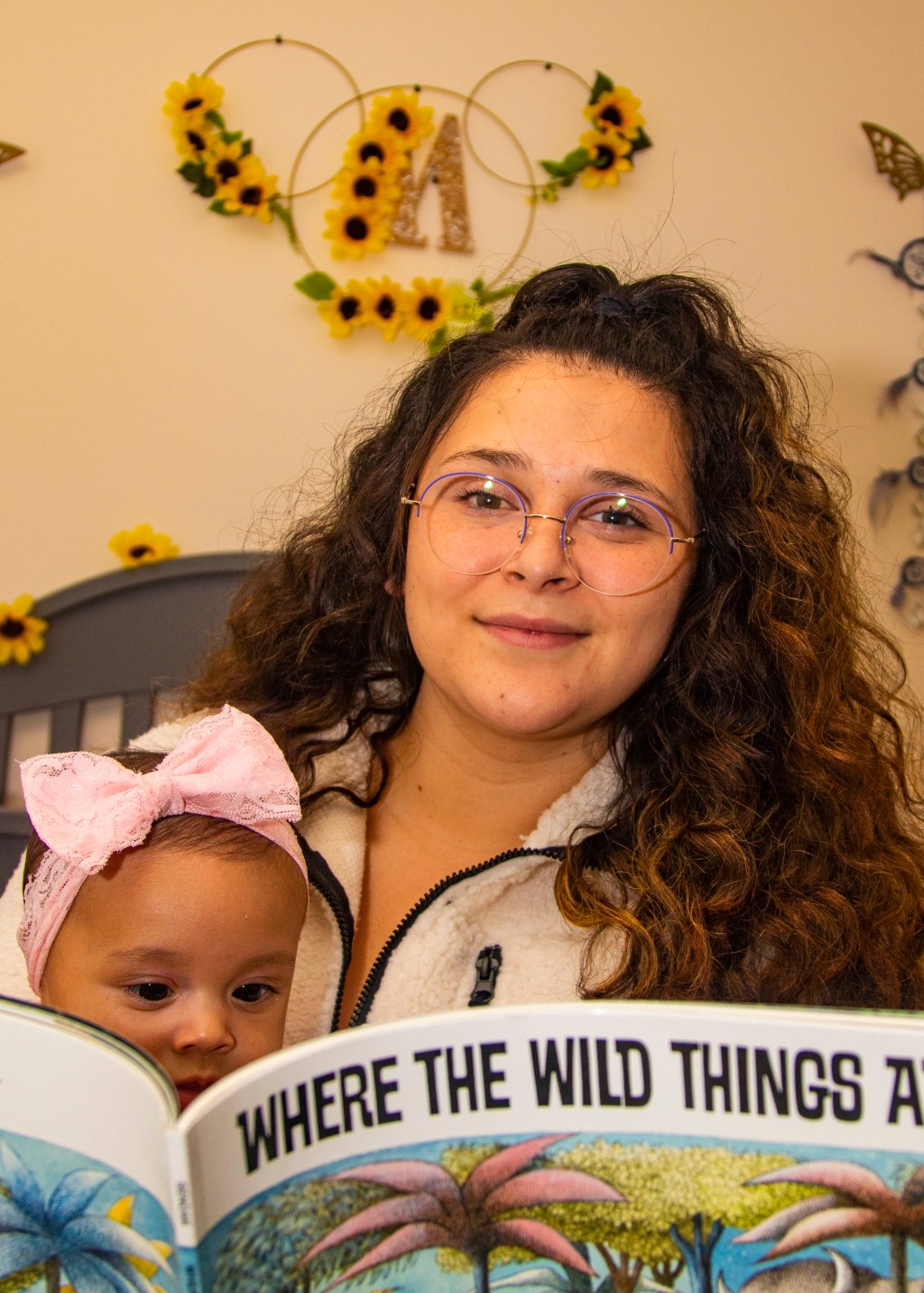
As a three-year old child, your only concern should be what cartoon to watch or what toy to play with. Children are often lucky enough to play through the stressful emotions and decisions that plague adulthood. However, sometimes children are forced to deal with very adult experiences at an early age. After noticing her daughter had a pattern of running into walls and a wandering eye, Jenell Moreno decided to call on a local eye doctor. On that day, the lives of one family were forever changed. Moreno remembers it vividly. After dilating her daughter Jade’s eye, doctors showed Moreno a series of bumps located within her daughter’s retina. They informed her that they would need to meet with an eye care specialist immediately.
“I remember when he had me look at her eye while dilated and showed me the bumps he had questions about,” Moreno said. “I hadn’t thought much of it yet because the doctors didn’t seem alarmed and I was still unaware. Then, as I walked into the ER, the lady said, ‘oh is this the little girl that had a tumor in her eye?’ It was then that it hit me. Those bumps were a tumor and my baby may have cancer.”
Moreno was floored with the news but had to remain in control and present for the barrage of information that was quickly overwhelming her.
“The heartache was indescribable,” Moreno said. “It felt as if my soul cracked open, but my love for Jade was filling the room and keeping me present.”
The Diagnosis
At just three-years-old, Jade Cowden was diagnosed with Retinoblastoma, a severe form of eye cancer that needed treatment immediately. According to Stanford Children’s Hospital, “Retinoblastoma is a malignant (cancerous) tumor of the retina. Although retinoblastoma may occur at any age, it most often occurs in younger children, usually before the age of 5 years.”
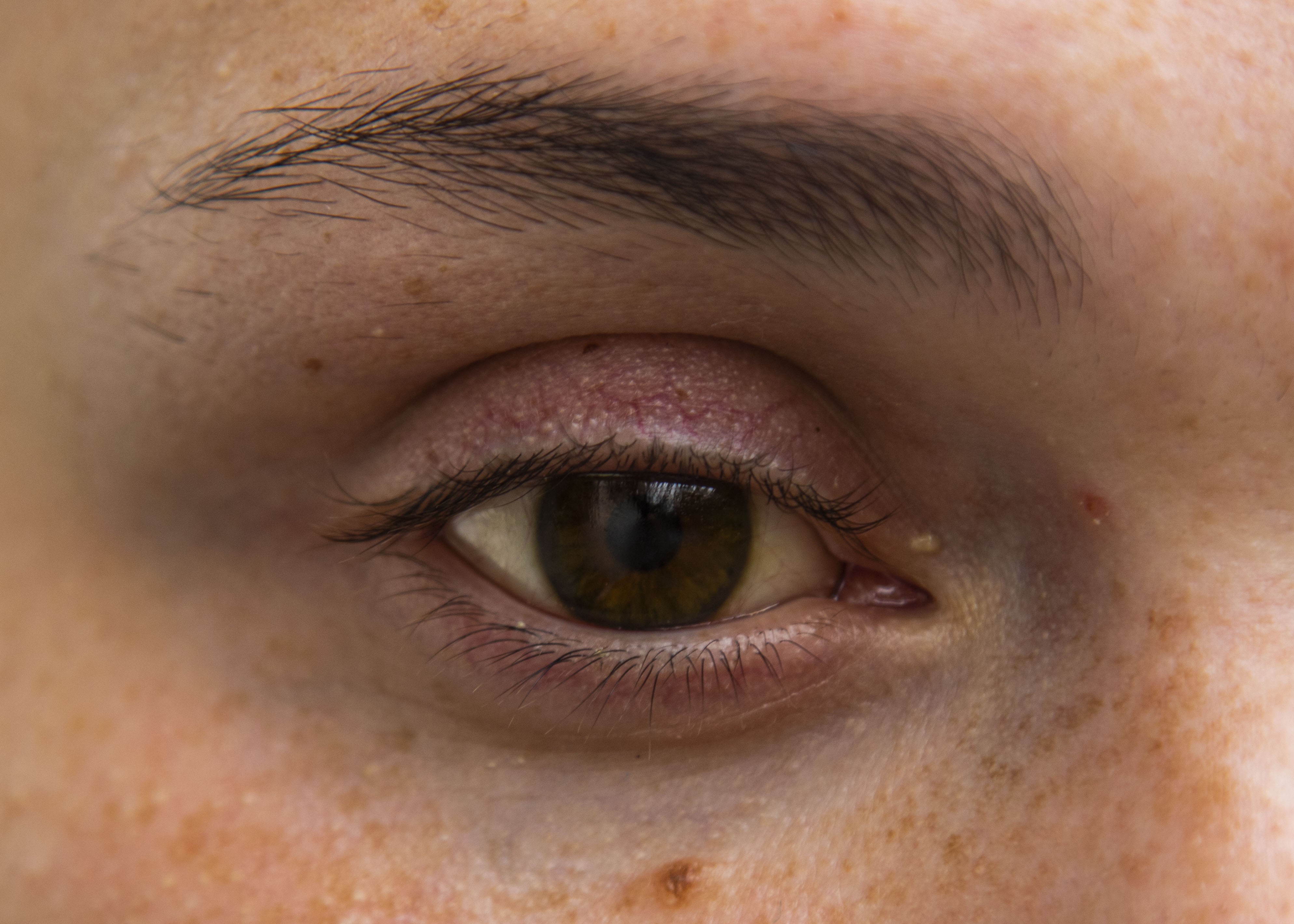
There are multiple ways to treat Retinoblastoma. Each with their own list of benefits and risks associated. Some of the common forms of treatment are radiation treatment, chemotherapy, and enucleation, which is removal of the eye. Moreno had to decide fast as the doctors informed her that the cancer is likely to spread. After reading as much about retinoblastoma as she could, Moreno decided to move forward with the difficult decision to perform enucleation. It’s not easy to let go of your child and allow doctors to perform a critical surgery with no guarantees, but removal of the eye was the only way to guarantee a cancer free future.
“The decision was easy for me, no eye means no cancer which means no chemo,” Moreno said. “So, I put my trust in the doctors and prayed for a problem free operation.”
The stress of cancer is unexplainable through words. It’s a towering demon that can make the stomach curdle of anyone who meets it. When that cancer decides to point its dagger at your children, there is an exponential uptick in the weight of that emotion.
Cancer Free
The doctors and nurses were quick to react. Within hours of the diagnosis, Jade was scheduled and in the process to become cancer free. The brave little girl had no fear as her mother showered her with love and hid the anxious aura radiating the atmosphere.
Six hours later, Jade emerged from a successful operation to the hugs and kisses of loved ones. The worst part was over, but the family was still yet to make it out of the water. Before the process was done, Jade would need to return to the hospital frequently to receive skin grafts that promote a healthy reconstruction of the eye. She was also formed and fitted to a personalized prosthetic eye that would become her new normal for the rest of her life.
“I don’t remember much about the experience, but there is one thing that sticks out as a positive memory,” Jade Cowden said. “The only thing I would look forward to while in the hospital was the sticker man. He was a hospital employee that would come through the children section of the hospital and offer stickers and prizes to the patients.”
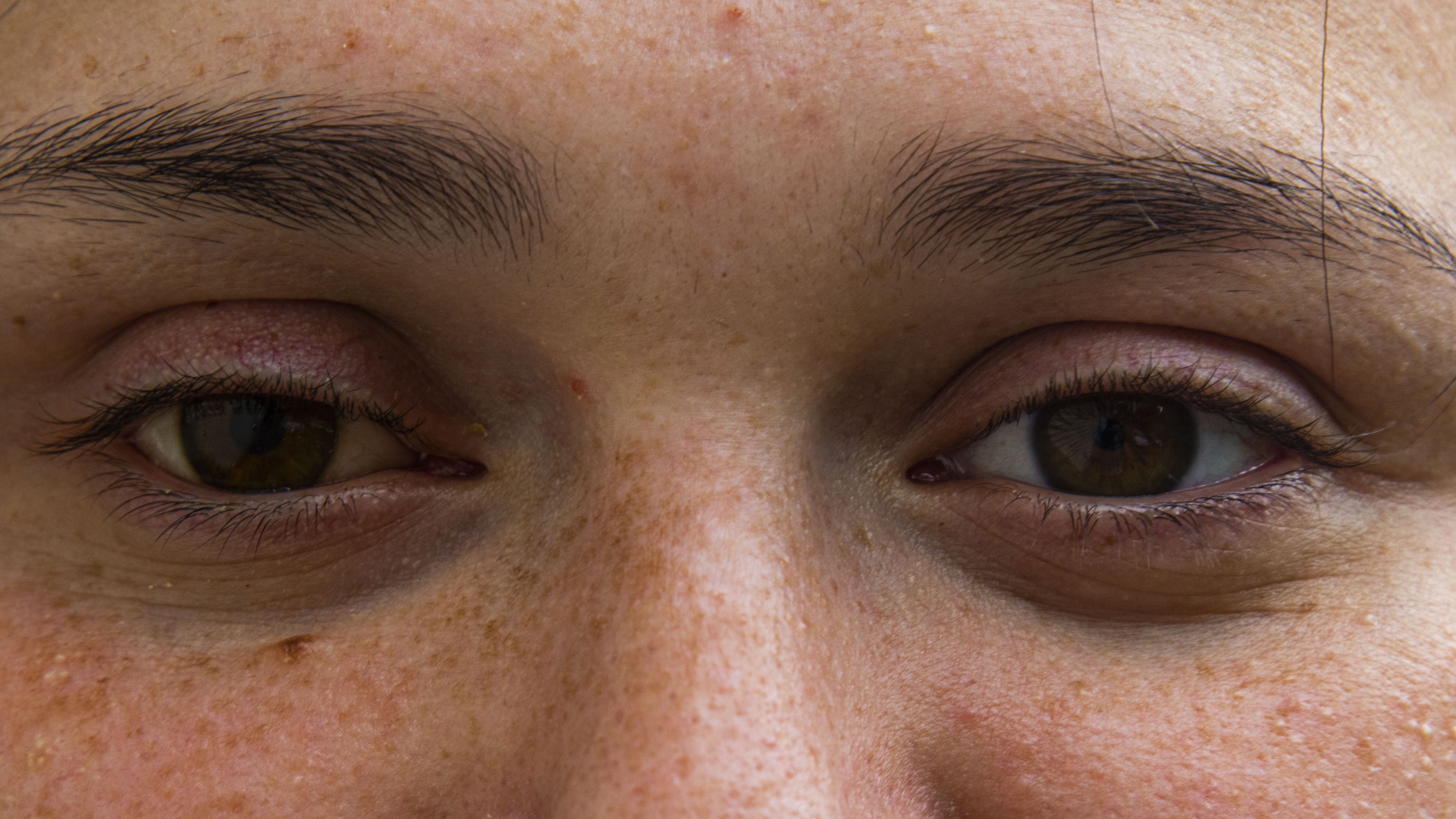
Two years later, cut to a scene of a happy five-year-old child who is full of energy and a sassy personality. The surgery a faint memory for a child full of life experience in front of her. Those experiences are not all positive though. Throughout childhood, Jade was plagued by the crude ignorance of bullying. While she commends the doctors, who helped create her prosthetic eye, a perfect replica is unachievable and frequent resizing’s would be required. As she moved into middle school and high school, the pressure of normalcy continued to mount. Jade remembers much of school as dealing with unwavering questions about the movement of her eyes. She began to isolate her feelings and emotions leading to a severe lack of confidence about her eye.
“I hated answering questions about my eye,” Cowden said. “I would always use the bangs of my hair to cover it. It practically became my signature hairstyle.”
New beginnings
Through perseverance and determination, Cowden made it to the end of high school and picked up a soulmate along the way. She met her husband in the Junior year of high school and they have been together for 8 years. She pursued college and has already acquired an Associate degree of Arts with an emphasis on Early Childhood Education.
In June of 2020, after two years of marriage, Jade and her husband Josh gave birth to their first child, Marceline Cowden. The birth of a child is always a special event, but this one carries a small shadow. According to the Stanford Children’s Hospital, “This disease is caused by mutations in a gene called the Retinoblastoma-1 (RB1) gene. These mutations are either inherited (passed from the parents to the children) or new (not passed from the parents to the children) mutations. Some new mutations may become “inherited” (the new mutation is passed from the parents to the children). “
Jade is acutely aware of this information and is keeping a close eye on her own daughter as she ages through the years.
“My daughter is the greatest thing that to ever happen to me,” Cowden said. Nearly shedding a tear she continues, “It kills me to think she may have to go through the same traumatic disease as I did. I have made sure Marceline is seeing an eye doctor frequently through her childhood so we can catch it early if it is present.”
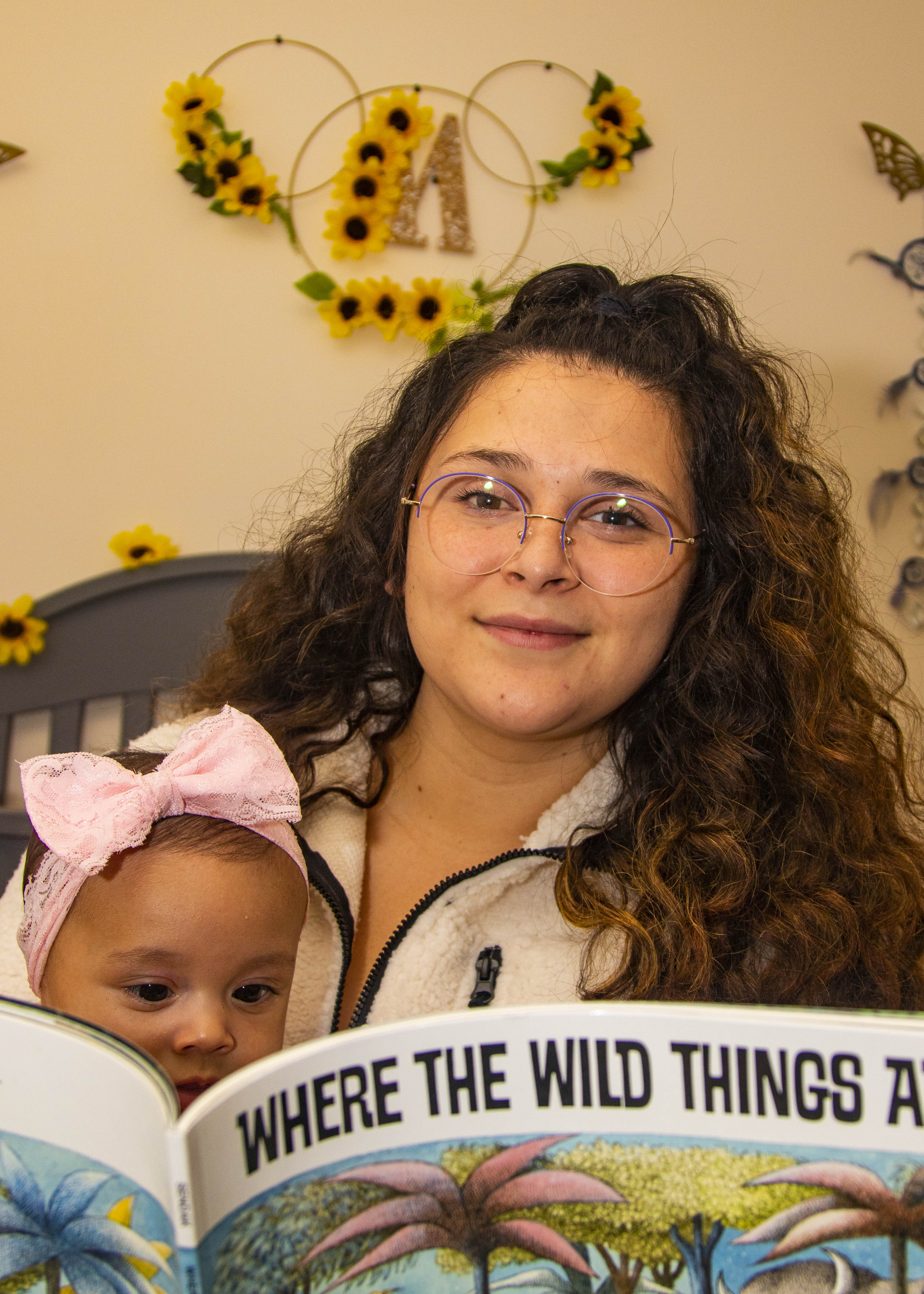
Catching it early can be the difference between life and death with these types of diseases. While Cowden can now reflect on the hardships she has endured with an open heart and a smile. She knows the reality of her daughter inheriting the gene is always present and she may have to hear those terrible words, “You have cancer,” all over again.
 Introspection Section
Leave a comment