
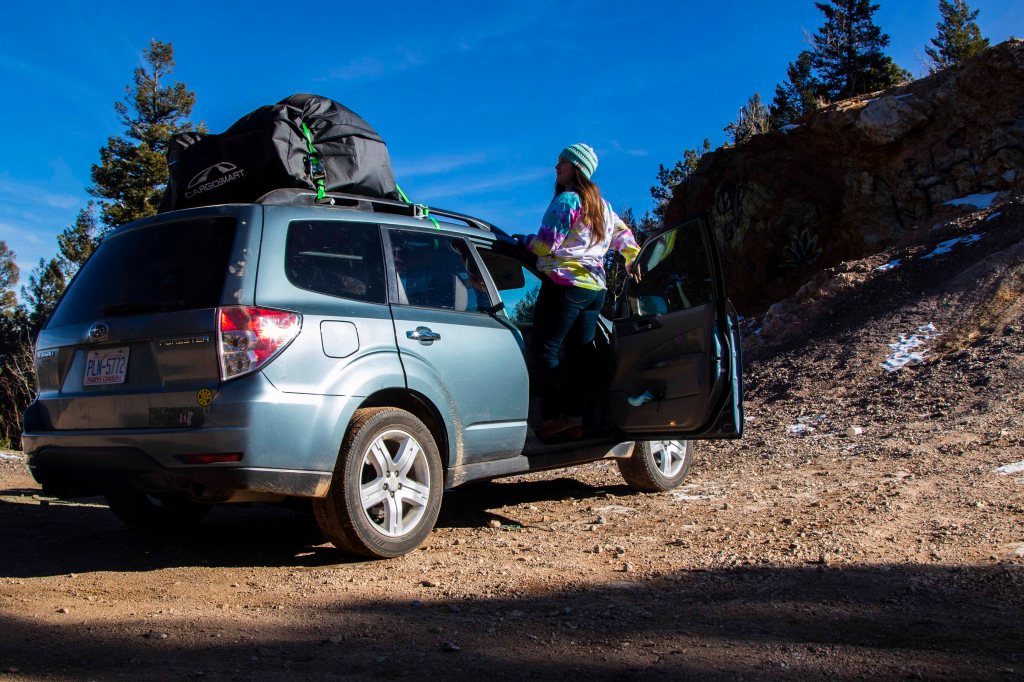
What does Freedom mean to todays youth? One thing that’s for sure, the word means something much different than it did in the 1960s. Today’s freedom is not the freedom that people like Terence McKenna and Ken Kesey spoke of. As cancel culture and the softening of the human experience runs rampant, I call back to a time when freedom meant something more than an idealistic expression.
I just finished reading On the Road by Jack Kerouac. The book was originally published in 1957. Many people view this book as a jumpstart to the beat generation and the hippie movement of the 60s. It’s a beautiful unfiltered view of the dissolving domestication of America in the post war era.
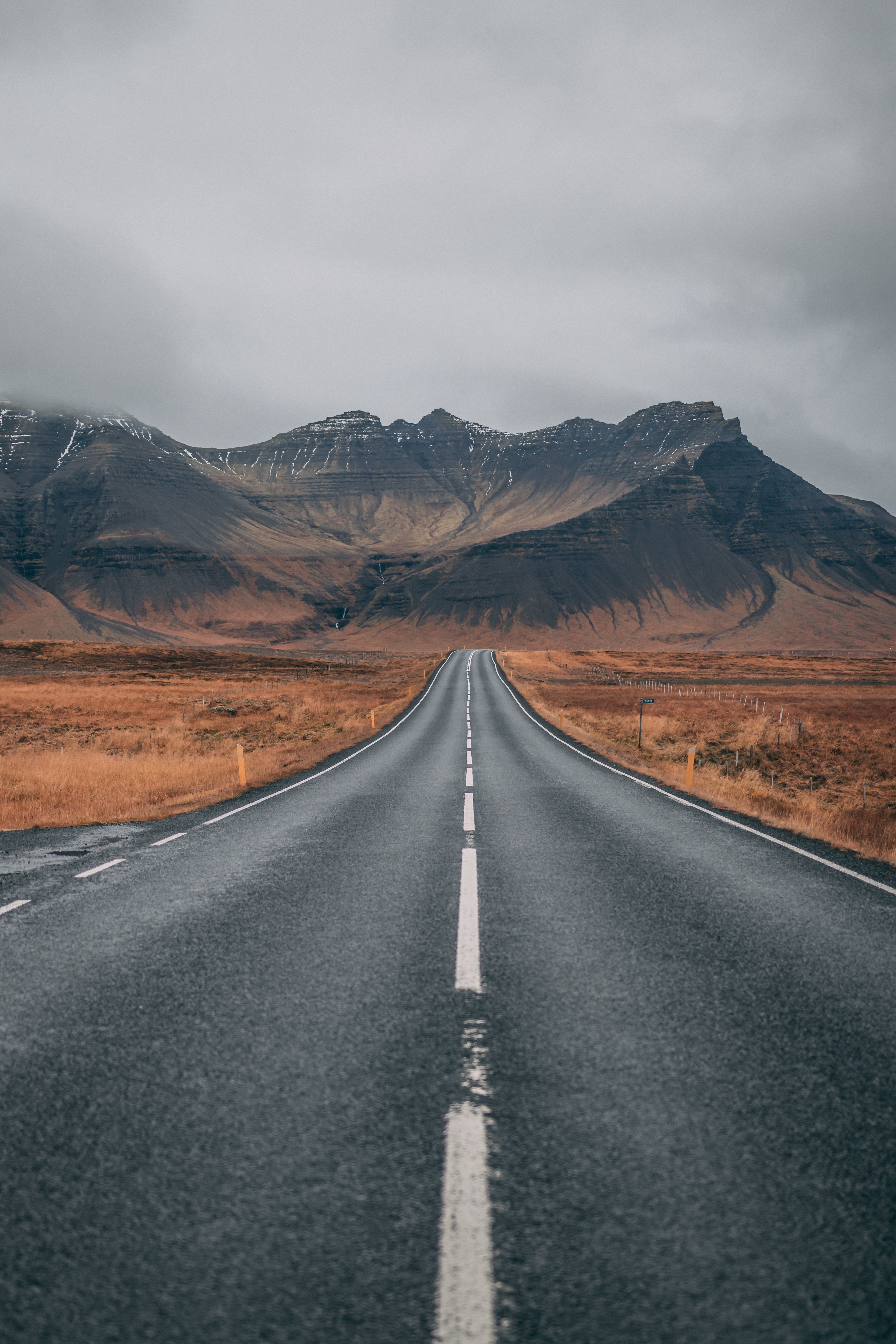
People had recommended reading Kerouac to me for years. The book follows main character Sal Paradise as he travels back and forth across America. The trips are all done by bus or hitchhiking which leaves a world of adventure in between each stop. Paradise and his friends spend each waking moment living in a beautiful dance between chaos and ecstasy. Dean Moriarty, Sal’s good friend, is the final evolution of the troublesome miscreant that the book seems to relish in. However, in the end, it is Moriarty’s fearlessness to be his true self that is the best representation of freedom. Whether that freedom be for good or bad is left up to the viewer.
There was something alluring about the lack of responsibility presented by Kerouac. Regardless of the ethics presented, On The Road is a 292 page narration of living in the moment. There is no stress about how the future will turn out or if the past will come back to bite. It’s as equally beautiful as it is insane. But yet, still something I tend to envy as I look up from the monotonous trudge of work and school.
This freedom is one of the things that drew me to journalism in the first place. I fell in love with the myth of Hunter S. Thompson and was amazed people paid him to live out these ridiculous stories and adventures. I liked that you could write about anything that drew your interest and move anywhere the story took you.
Thumb’s up we’re on the road
So, like many young journalists, I was fascinated with the early work of Vice News. There are countless examples of the Thompson style “Gonzo” reporting that Vice seemed to embody in its’ inception. One of the most interesting being David Choe’s 2012 series titled Thumbs up. It’s a show that follows Choe and his nephew for an On The Road inspired trip across America. Season one finds them hitchhiking from California to New York. The only rule of the show, no paying for transportation of any kind.
It’s a fun show that walked a balance of minimal editing and direction. It seemed like Choe was given the opportunity to create a show with one intent. Find adventure for free. And in the melting pot of America, that really isn’t too hard of a task.
Choe finds himself connecting with some of the strangest characters in America and often finds the humanity in each. And where he can’t find humanity, he at least finds the small bits of freedom still left within America.
Consuming both of these works in the year 2020 seems like a foreign world. A world that had edge and grit. Slowly we are moving to a world where every corner will be rounded.
Freedom and Music
One of the connecting themes of On The Road and Thumbs Up is the emphasis on music. Jazz is a constant draw for Dean Moriarty and the gang. Kerouac does an amazing job of describing the freedom and expression embodied in an improvisational Jazz jam session.
Just one example is the following passage taken from Chapter 10 of On The Road. “Every now and then a clear harmonic cry gave new suggestions of a tune that would someday be the only tune in the world and would raise men’s souls to joy.”
Yuan Yu, published an intriguing academic essay for the Studies in Literature and Language department of the Canadian Academy of Oriental and Occidental Culture. In the essay he discusses the relationship between Jazz and the beat generation.
“Jazz not only lives together with beat writers, but also becomes a part of beat literature.” said Yu. “The pursuit of freedom and individuality are also embodied in the style of their works, opposed to the traditional writing.”
Thumbs Up also carries the spirt of music. Choe often weaves musical outbursts between the clips and carries a drum a long for the ride in season two. Fluidly breaking into random jam sessions throughout his unique conversations and travels. He also dips his toes into the creativity of music with his band Mangchi.
The freedom of the archetypical musical vagabond will always stop me in my tracks. Passing by young musicians playing tunes for a tip, I always feel a small sense of envy in their ability to live life in the moment. Each moment both everlasting and fleeting. No stress and anxiety of a future to come. Instead, the pure creativity and exuberance experienced by a fully present individual.
Some of my favorite creatives have fully understood the value of freedom. The works of Ken Kesey, Jack Kerouac and Allen Ginsberg would be nothing without the sense of adventure and freedom. As we move toward an unknown future, all that I can hope is that the true creative will not be silenced. Freedom is something culture feverishly promotes while simultaneously suppressing it in the same instance. The true creative is not bound by culture, but by the call of their work and the expression of their highest self.
 Introspection Section
Leave a comment